
filming location • history • preservation • stay • guidelines
The Short Circuit House
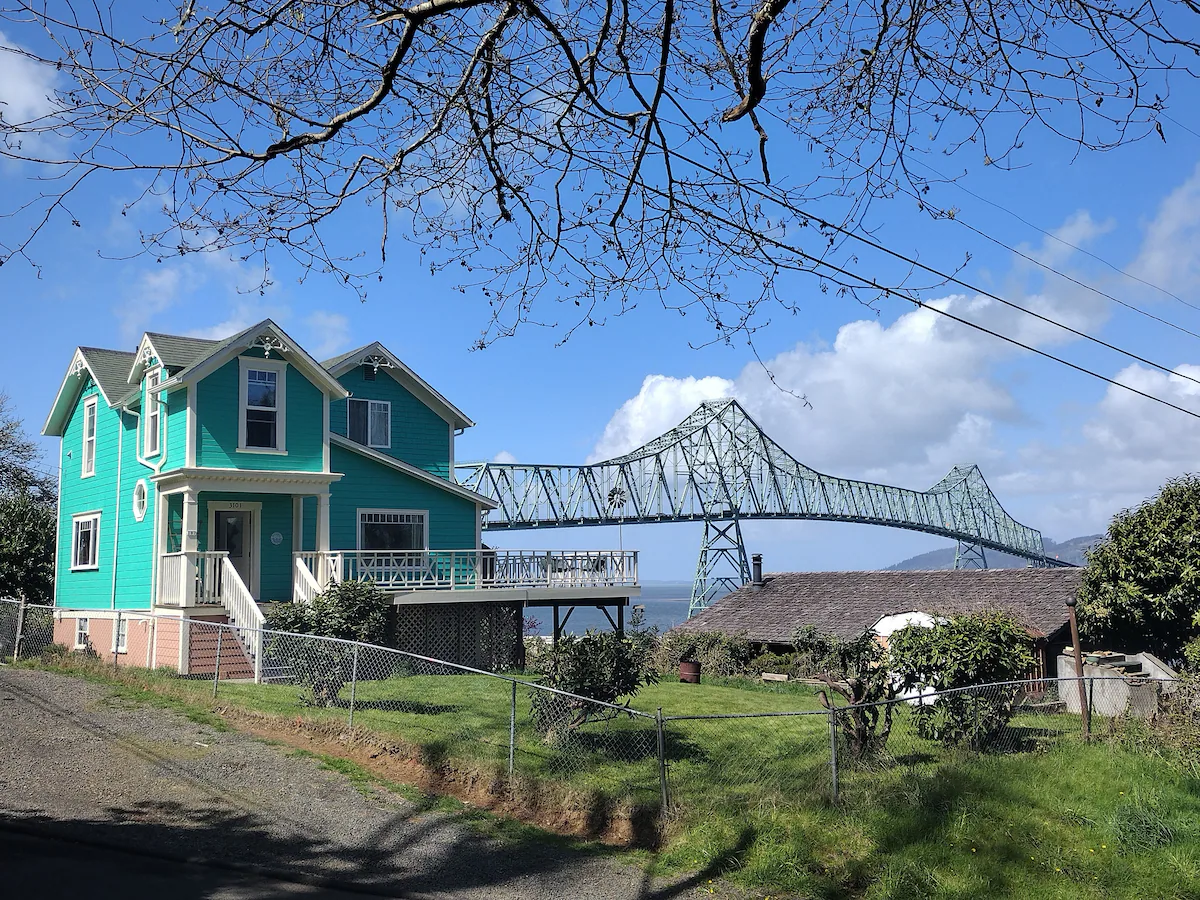
The real-world home used as Stephanie Speck’s house in Short Circuit (1986) — where Johnny 5 learned, hid, and became “alive” to audiences.
Quick facts
Respect first
The Short Circuit House is a real home in a real neighborhood. This page exists to document the location’s film history and share clear, respectful guidance for visitors.
History of the house
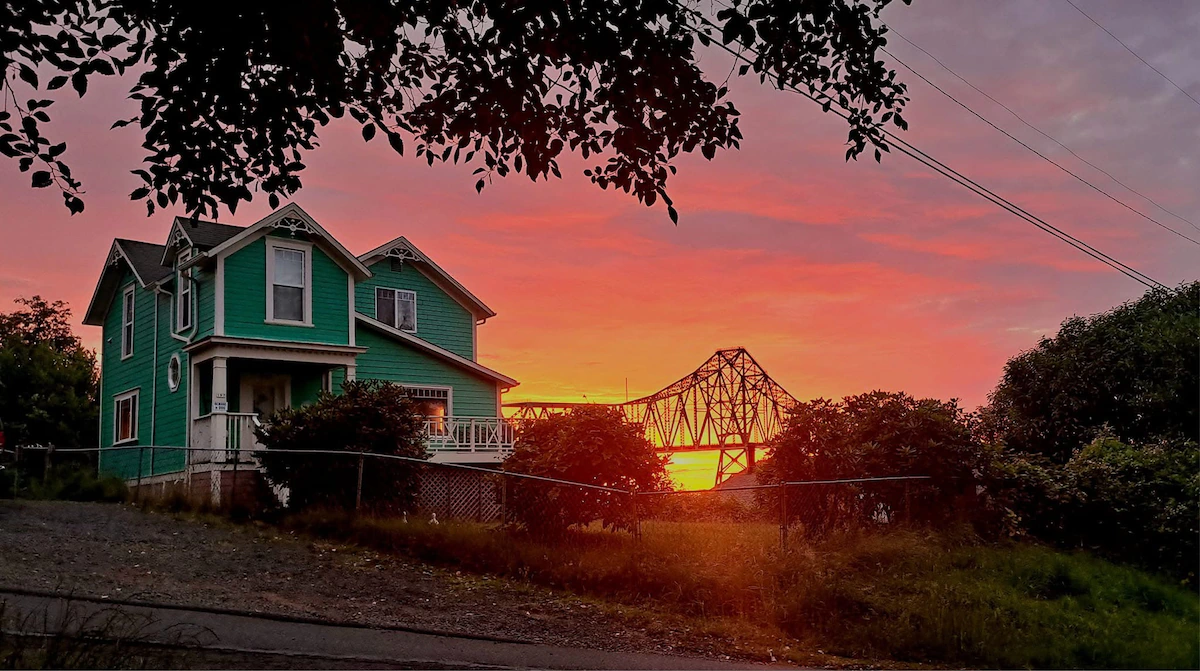
The Short Circuit House is a hillside home in Astoria, Oregon — the same film town known for multiple major productions over the years. Long before it became famous to fans, it was simply part of Astoria’s residential landscape: steep streets, older homes, and big river views.
When Short Circuit filmed in the mid-1980s, the production used the house as the primary exterior for Stephanie Speck’s home. Over time, fans began tracking it down as one of the movie’s most emotionally significant locations.
Why Astoria works on camera
- Distinctive terrain (hills, bridges, river views)
- Historic neighborhoods with strong visual character
- Walkable downtown and multiple versatile locations
What fans recognize instantly
- The hillside presence and porch feel
- The “safe haven” vibe vs. the sterile lab scenes
- The sense of place tied to Johnny 5’s early “input”
Its role in the film
In Short Circuit, the house becomes the story’s emotional center — the place where Johnny 5 shifts from “escaped machine” to a character the audience empathizes with. It’s where the film slows down and lets curiosity, humor, and ethics take over.
What happens here (story-level)
- Johnny 5 finds shelter and safety after escaping
- Stephanie begins to understand he’s more than a machine
- “Input” becomes a central idea as Johnny learns human culture
- The house visually represents warmth, refuge, and friendship
Why this location matters
The home setting makes the story believable. A lab can show technology, but a lived-in house shows humanity — and that contrast is a big part of why Johnny 5 feels “alive.”
Why fans visit
For a lot of people, this is the single most iconic “real place” in the first movie — the location tied to the scenes that still hit emotionally decades later.
Preservation story
Like many filming locations, the house spent years as a private residence with no public-facing “movie landmark” infrastructure. As time passed, the property’s connection to Short Circuit remained strong in fan memory, even as the house itself aged.
In more recent years, the home’s status shifted from “quiet film location” to an actively preserved part of movie history, with restoration work aimed at keeping the property functional, safe, and recognizable.
Preservation vs. promotion
The point of preserving a film location isn’t to turn a neighborhood into a theme park. It’s to protect something people care about, keep the site respectful for neighbors, and make sure fans can experience it without harming it.
Richard Bates
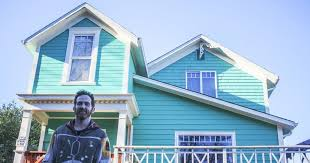
The current steward most associated with the house’s modern preservation story is Richard Bates, who has publicly shared the goal of protecting the home’s film legacy while keeping it a respectful, real-world property.
What stewardship looks like
- Maintenance and restoration (so the house survives)
- Clear rules for visitors and guests
- Balancing fan interest with neighborhood respect
Why it builds trust
When a recognizable film location is cared for and communicated clearly, fans get a better experience and the property is more likely to survive long-term.
Stay at the house
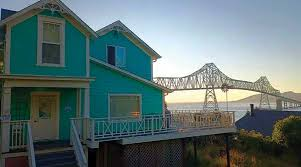
The Short Circuit House has been offered as a short-term stay, giving fans the chance to experience the location in a way that’s grounded and respectful: as a home, not a set.
Booking links
Use the official site first, then follow the booking flow from there.
Availability can book out far in advance around summer travel and major film weekends. Check early if the goal is to stay on a specific date.
Photo gallery
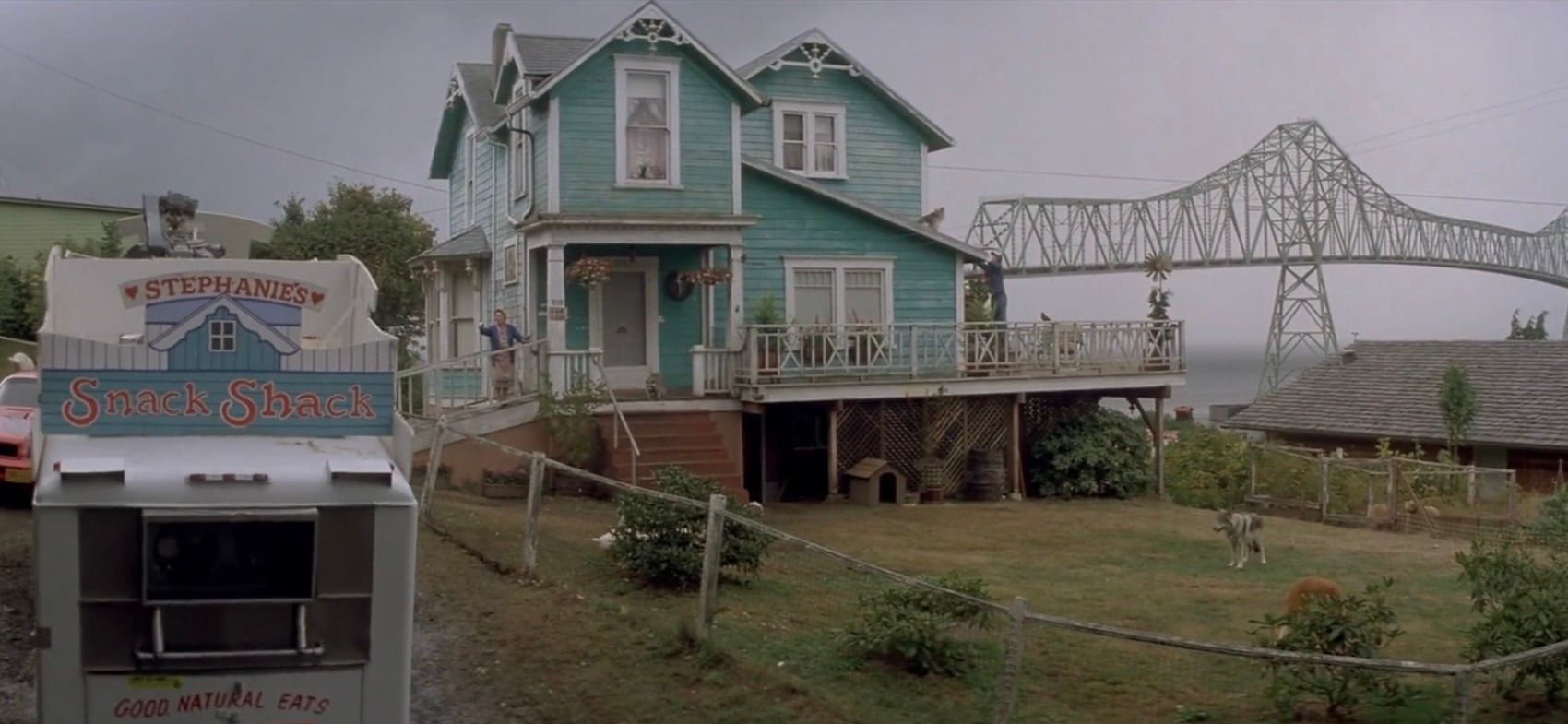
Visitor guidelines
Please read before visiting
This is a private home in a residential neighborhood. The best way to keep the location visitable long-term is simple: be respectful, stay safe, and don’t create problems for neighbors or guests.
Do
- Keep it quick and quiet
- Use public sidewalks/streets for photos
- Park legally and avoid blocking driveways
- Respect guest privacy if the home is occupied
- Leave no trash, no props, no “marks”
Don’t
- Enter the property without permission
- Climb fences, steps, or porches uninvited
- Peek in windows or try doors
- Bring large groups without coordination
- Block traffic, neighbors, or emergency access
If you want a deeper experience, the respectful option is booking a stay (when available) or attending an officially organized event that includes the house as a scheduled location.
Sources & further reading
These links are useful for verification and for readers who want the official context.